Why Full-Body MRI Isn't Always the Answer
A full-body MRI can sound reassuring, but it can also create false alarms. Learn why a more targeted, risk-based approach is often safer, clearer, and more effective for finding disease early.
.svg)
.svg)
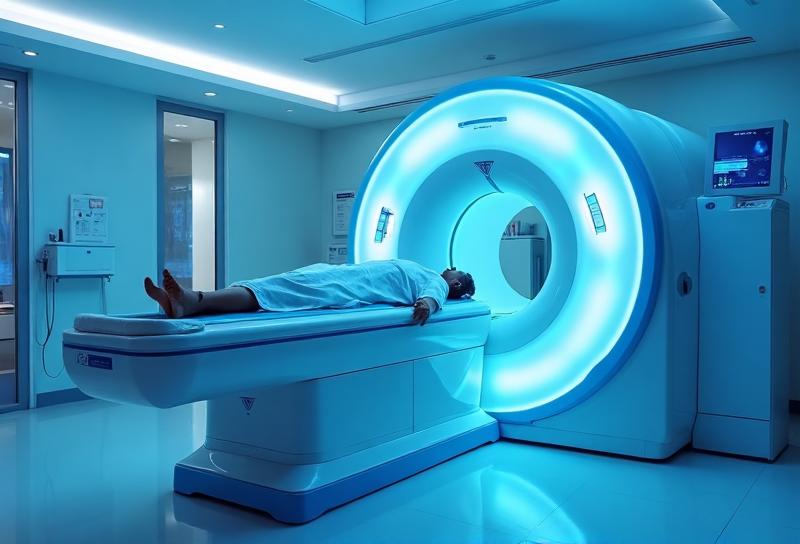
In recent years, full-body MRI screening has gained significant attention as a comprehensive approach to early disease detection. While the concept of scanning the entire body for potential abnormalities may seem intuitively appealing, the reality of clinical medicine suggests a more nuanced approach is often warranted.
The fundamental challenge with blanket screening lies in what we call the 'incidentaloma problem.' When you look at everything, you find everything—including many findings that will never cause harm but will generate anxiety, additional testing, and sometimes unnecessary interventions.
Understanding False Positives
Studies have shown that full-body MRI scans detect incidental findings in 40-80% of asymptomatic individuals. The vast majority of these findings are benign and clinically insignificant. However, distinguishing the rare truly concerning finding from the many innocent ones often requires additional imaging, biopsies, or prolonged surveillance.
Consider the mathematics: if a condition affects 1 in 1,000 people and a test has a 5% false-positive rate, screening 1,000 people will correctly identify the one true case but also flag 50 people who don't have the condition. This cascade of follow-up testing carries its own risks and costs.
The Psychological Burden
Beyond the medical implications, there's a psychological cost to discovering abnormalities of uncertain significance. Patients may experience significant anxiety while waiting for follow-up tests or during extended monitoring periods. This 'labeling effect' can impact quality of life even when no disease is ultimately found.
Research in health psychology has documented the phenomenon of 'scanning anxiety'—the paradoxical increase in health-related worry that can follow comprehensive screening. For some individuals, the reassurance they seek becomes the source of new concerns.
The Economics of Over-Screening
Hidden costs of blanket screening include:
- Follow-up imaging studies to characterize incidental findings
- Specialist consultations for findings outside the radiologist's expertise
- Biopsies and procedures that prove unnecessary
- Ongoing surveillance imaging for benign findings
- Lost productivity and time from additional medical appointments
- Psychological counseling for screening-related anxiety
A Risk-Stratified Approach
Rather than scanning everyone for everything, modern preventive medicine emphasizes targeting specific tests to individuals most likely to benefit. This means using clinical history, family history, and known risk factors to guide imaging decisions.
For example, a patient with a strong family history of pancreatic cancer might benefit from targeted pancreatic imaging, while someone with no such history would derive minimal benefit from the same study. Precision prevention means matching tests to risks.
When Full-Body Screening Makes Sense
There are certainly individuals for whom comprehensive imaging is appropriate—those with strong family histories of multiple cancers, certain genetic syndromes, or specific occupational exposures. The key is matching the intensity of screening to the individual's actual risk profile.
Additionally, some high-achieving executives and professionals place high value on the reassurance that comprehensive screening provides. When pursued with informed consent and appropriate follow-up protocols, this approach can be reasonable for motivated individuals.
The Role of Emerging Technologies
Advances in artificial intelligence and imaging technology are beginning to address some limitations of broad screening. AI algorithms can help differentiate concerning findings from benign variants, potentially reducing false positives and unnecessary follow-up.
Diffusion-weighted MRI and other advanced sequences are improving our ability to characterize findings at the time of initial scanning, reducing the need for subsequent studies. As these technologies mature, the risk-benefit calculus for comprehensive screening may shift.
Our Philosophy
Our philosophy centers on clinical restraint—performing tests that have clear clinical utility while avoiding those that are more likely to harm than help. This approach respects both the capabilities and limitations of medical imaging.
We work with each patient to understand their specific risk factors, health goals, and tolerance for uncertainty. This collaborative approach ensures that imaging decisions align with individual values and circumstances, rather than applying a one-size-fits-all protocol.
Ultimately, the goal of preventive imaging is to improve health outcomes, not simply to generate images. By focusing on tests most likely to yield actionable, beneficial information, we help patients achieve genuine peace of mind—not just the illusion of thoroughness.
Related Articles

Understanding Coronary Calcium Scoring
Coronary calcium (CAC) scoring detects early signs of heart disease before symptoms appear, helping physicians assess risk, interpret your Agatston score, and create a personalized prevention plan.
.svg)

The Longitudinal Approach to Health Monitoring
Tracking your health over time enables earlier detection of disease by revealing meaningful trends in imaging, labs, and risk factors so physicians can intervene sooner with personalized preventive care.

Managing Incidental Findings: Our Tiered Approach
Learn how our tiered system manages incidental findings from preventive imaging reducing anxiety, avoiding unnecessary tests, and providing clear, risk-based next steps when follow-up is truly needed.
Your Defense Against Disease Starts Here
Schedule a complimentary PreScan Consultation to discuss how our clinically restrained, longitudinal approach differs from mass-market screening.
.svg)